
The year 2024 was officially the world's hottest year on record. As climate change intensifies, cities like Vancouver—once known for their mild summers—are now facing longer, more frequent extreme heat waves. These events threaten the safety and well-being of residents and have exposed a critical gap in cooling infrastructure in many residential buildings across BC’s Lower Mainland.
A 2020 BC Hydro survey found that just 34% of households in the province had cooling systems in their homes. With climatologists predicting more frequent heat events, it’s essential to expand and facilitate access to efficient residential cooling technologies.
To help address this challenge, Sustainability Scholar Tsubasa Bolt explored practical solutions to reduce indoor temperatures and lower operational carbon emissions from heating in UBC’s existing residential buildings. His research focused on identifying retrofit options suitable for strata units that support the goals of UBC’s Green Building Action Plan (GBAP).

Photo credit: Don Erhardt - UBC Media Relations
Analyzing retrofitting strategies for strata units
There are two different types of technical options to cool down residential units: passive and active technical options.
Passive cooling systems—like glazing tinting films, external shading, and natural ventilation systems—can reduce solar heat gain by blocking sunlight. While effective at lowering peak cooling loads, these systems don't reduce conductive heat gain, don't offset thermal mass heat gain during heat waves and don’t reduce energy consumption for heating. In addition, these systems work best when applied to the whole building, making them challenging to implement in strata buildings, as they would require a majority approval by unit owners.
Bolt then turned his attention to active cooling systems, which not only offer relief during heat waves but also improve heating efficiency. However, installing these systems often requires an assessment of the building’s electrical capacity to ensure it can handle the additional power needed.
He examined three options: packaged terminal air conditioners (PTACs), integrated heat pumps, and ductless split heat pumps.
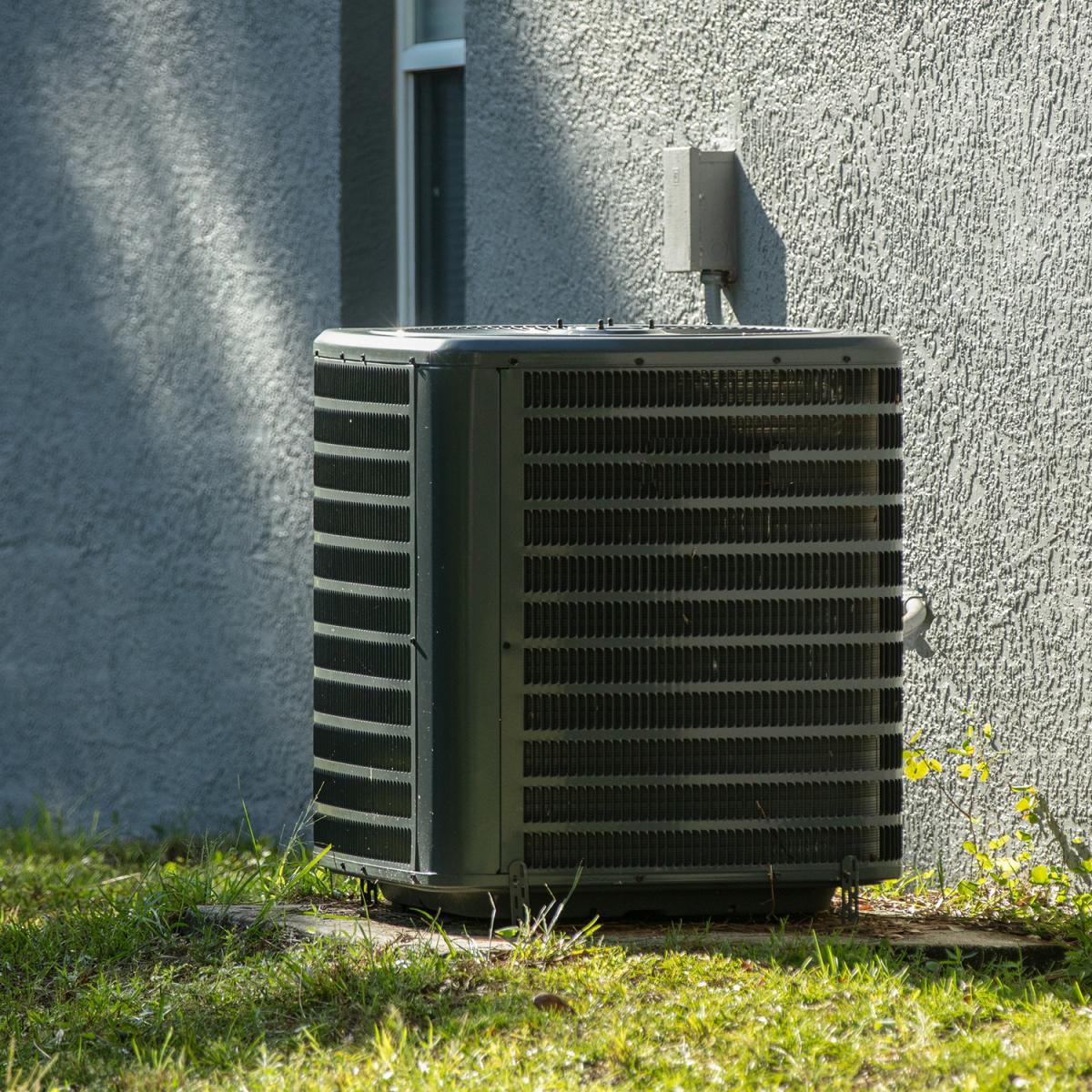
While PTACs and integrated heat pumps are relatively affordable and can be installed on a unit-by-unit basis, they require larger wall openings for installation, raising concerns about structural and water damage risks. In contrast, ductless split heat pumps appeared as the most efficient and least invasive option. With smaller wall penetrations, they reduce the risk of water damage and the need for a specialist consultant to review the installation.
Considering the risks posed by a heat pump retrofit to a building structure, envelope, and electrical systems, the ductless split heat pumps pose the least amount of risk. By installing these units, it is possible to add cooling infrastructure, which increases resiliency to extreme heat events as a result of climate change. —Tsubasa Bolt, Sustainability Scholar
Simplifying a complex permitting process
Despite the technical viability of heat pump retrofits, Bolt identified the UBC’s complex permitting process as one of the major barriers. Installing a heat pump required multiple approvals—development, building, and trade permits—which could delay installations and discourage homeowners from pursuing these options.
One of his recommendations was a streamlined permitting process tailored specifically for ductless split heat pump retrofits to efficiently handle new applications. This would reduce administrative burdens and help accelerate the adoption of more sustainable, climate-resilient home cooling technologies.
Following this recommendation, UBC Campus and Community Planning launched a one-step heat pump retrofit permit in Spring 2024, addressing the barriers identified in the report, simplifying approvals and reducing bureaucratic delays. This new system removes the need for a development permit and mechanical drawings when retrofitting with a ductless split heat pump—significantly simplifying the process for homeowners.
“The new permitting process and checklists will facilitate future retrofits. This is a foundational step for addressing cooling needs as climate change intensifies.” —Ralph Well, Community Climate and Energy Manager, UBC C+CP
Resources to support homeowners and strata councils
To simplify this process even further, Bolt created sample checklists to guide both strata councils and unit owners. These tools outline the steps, documents, and approvals needed before starting a retrofit, helping ensure smooth and efficient application reviews.

Photo credit: Don Erhardt - UBC Media Relations
Recognizing the value of these educational tools, the University Neighbourhoods Association (UNA) adopted and published the checklists on their website, amplifying Bolt’s work and making it accessible to the wider UBC residential community.
What began as a research project has led to meaningful change for UBC residents. Thanks to Tsubasa’s work, it's now easier than ever to retrofit their homes with energy-efficient heat pumps—an essential step toward the UBC’s Residential GBAP goal to reduce energy consumption and a cooler and safer future for the UBC community.
The project ‘Low carbon and climate resilient retrofit options for UBC strata residential buildings’ was completed by Tsubasa Bolt, a 2022 participant in the Sustainability Scholars Program, managed by the UBC Sustainability Hub.
Learn more about the UBC Sustainability Scholars program.