
Words by Caitlin Lichimo.
As climate change continues to reshape British Columbia’s agricultural landscape, the need for practical, research-based solutions has never been greater. From floods and droughts to wildfires and heat waves, producers face mounting challenges that demand immediate adaptation and long-term mitigation strategies.
Meet ACARN — UBC Farm partner in resilient agriculture research
The BC Agricultural Climate Action Research Network (ACARN) is helping address these challenges by connecting researchers, government, and industry to support climate resilience in BC agriculture. The network coordinates collaborative research, develops tools that make research easier to share, and creates opportunities for knowledge exchange. They also support climate action extension efforts across the province by translating research into practical solutions for producers and partners.
In 2025, ACARN continued this work by hosting a workshop series focused on climate resilience. This year’s discussions centred on two key components of sustainable farming in a changing climate: water and soil. Other topics ranged from watershed governance and alternative water storage to farm-led research and funding opportunities. Two key takeaways were the importance of Indigenous-led institutions in shaping both research and policy, and the growing interest in co-developing research that reflects the realities of producers on the ground.
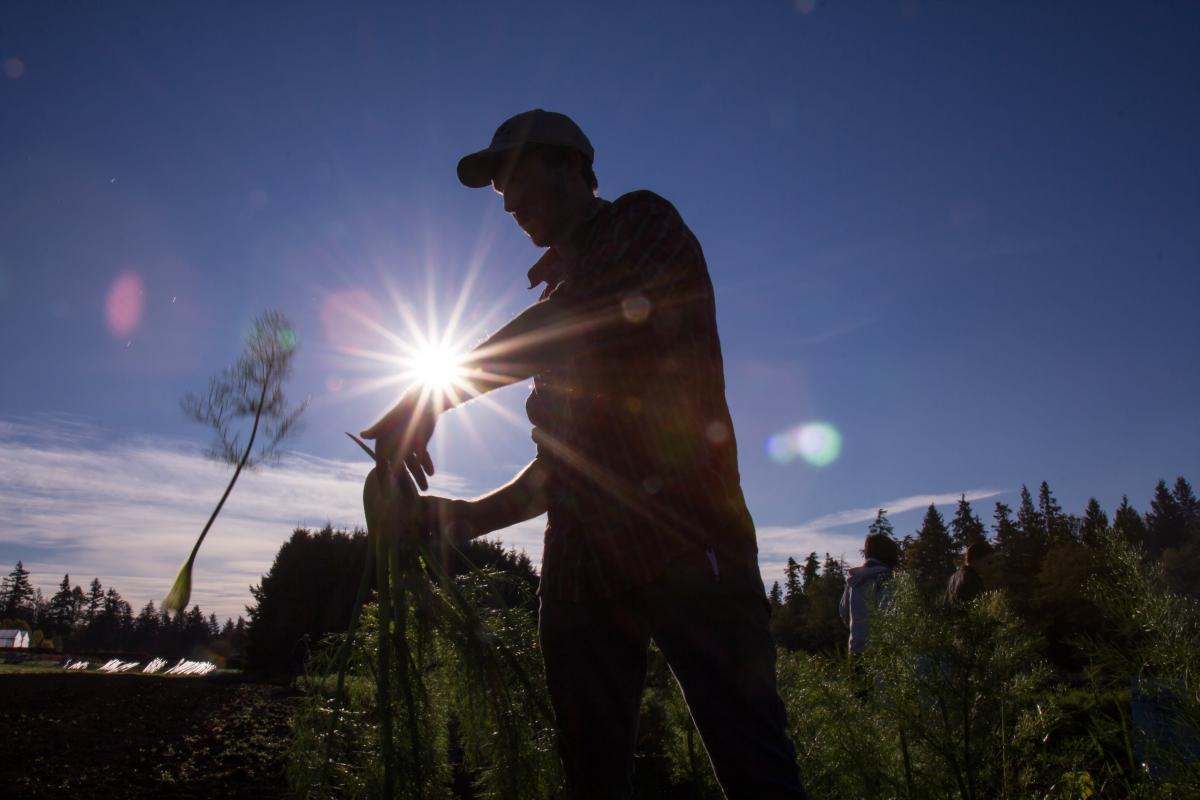
UBC Sustainable Agricultural Landscapes Lab collaborates with BC farmers to enhance management practices
A notable research session of this series was the Regenerative-Organic Climate Resilient Vegetables project, presented by the UBC Centre for Sustainable Food Systems and Sustainable Agricultural Landscapes Lab.
Researchers Drs. DeLisa Lewis and Jessica Chiartas highlighted efforts to enhancing regenerative outcomes through practices like conservation tillage, nutrient management, tarping, and cover cropping through a 4-year, province-wide, on-farm study.
"Assessment takes a more holistic approach, not just thinking about the biophysical impacts of these management practices, but also how does the social and economic context on farms introduce barriers and what are some novels ways to overcome those? All of this is grounded in principles of agroecology.”
- Dr. Jessica Chiartas, UBC Sustainable Agricultural Landscapes Lab.
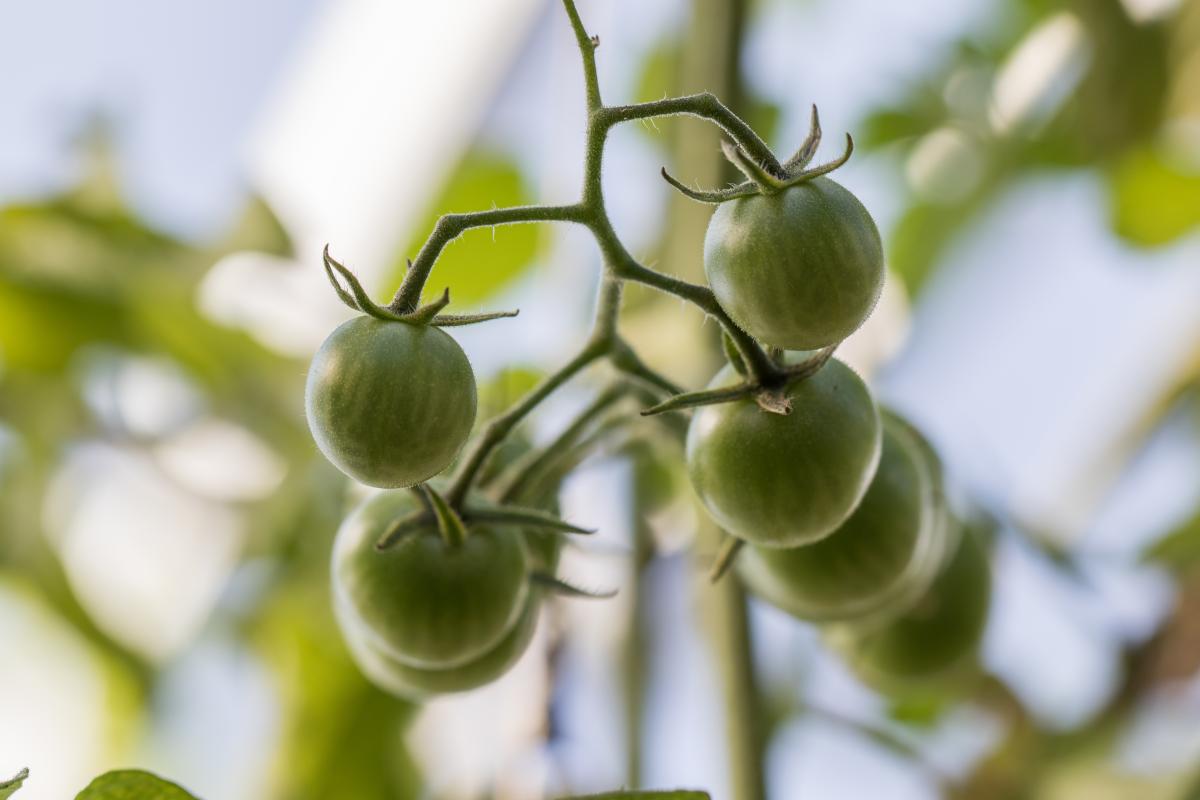
The Regenerative-Organic Climate Resilient Vegetables project is still recruiting BC organic farmers to participate in their study. By designating a small portion of their farm for trial treatments, participants will benefit from free inputs for the trial area, training on climate resilient farm management and planning, and networking opportunities.
Watch the research info session: Regenerative Climate Resilient Vegetables