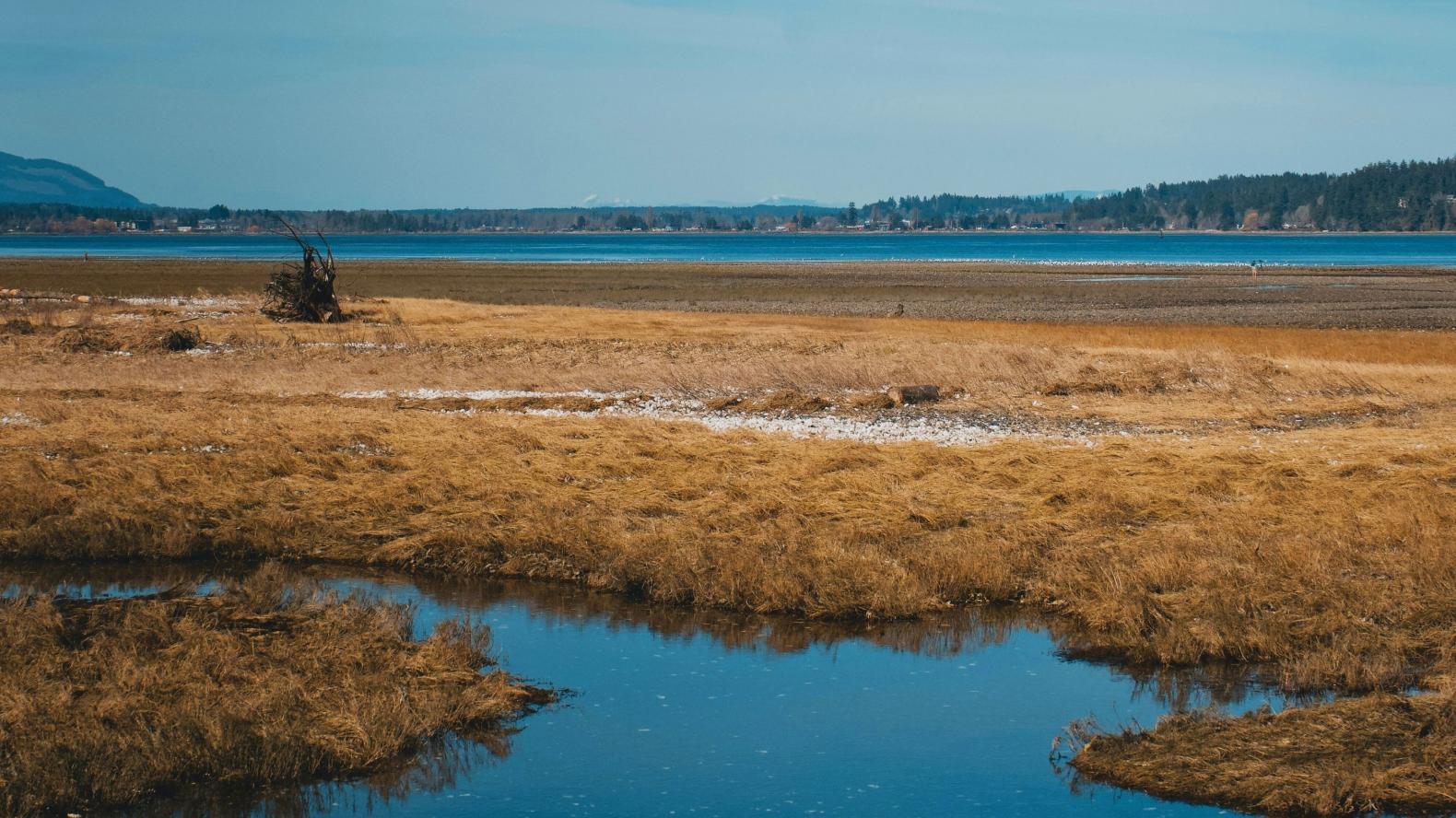
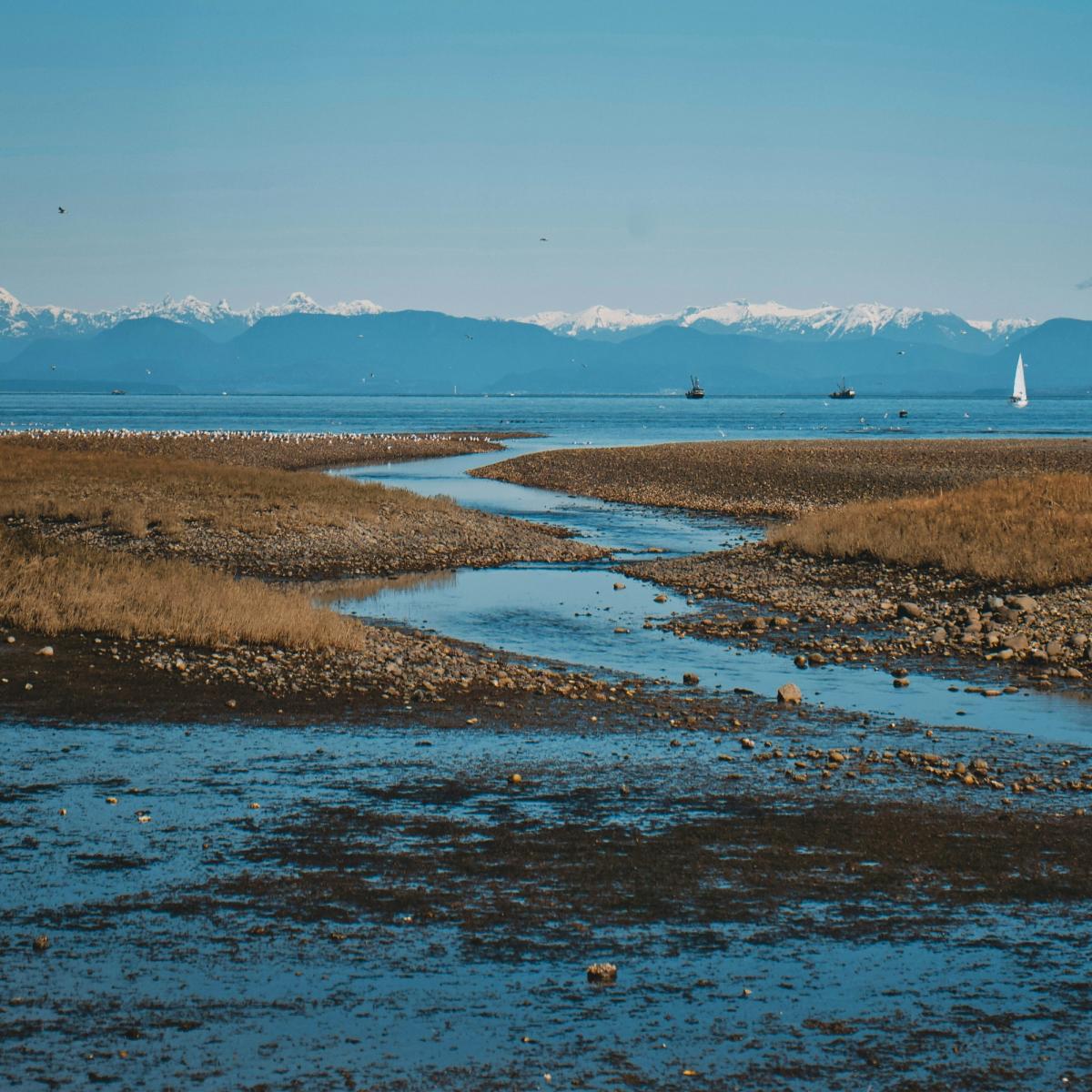
At the mouth of the largest river in Western Canada lies the Fraser River Estuary—an ecological treasure where freshwater meets the Pacific Ocean. The estuary is one of British Columbia’s most biodiverse regions, home to wild Pacific salmon, migratory birds, and endangered species like the southern resident killer whale. For thousands of years, Indigenous communities have stewarded this land and water, deeply intertwining their cultures, laws, and economies with the river.
But in recent decades, this vital ecosystem has sharply declined. Colonization and accelerating industrial development along the river and across the Lower Mainland have pushed its natural systems to the brink. While current policies continue to prioritize economic growth over ecological protection, salmon populations—already under immense pressure—are facing an irreversible decline in their natural habitat.
Sustainability Scholar Avery Pasternak, together with the Raincoast Conservation Foundation, explored an alternative legal pathway to preserve this ecosystem: granting legal recognition to the Fraser River Estuary to give it a voice in decisions about its future.
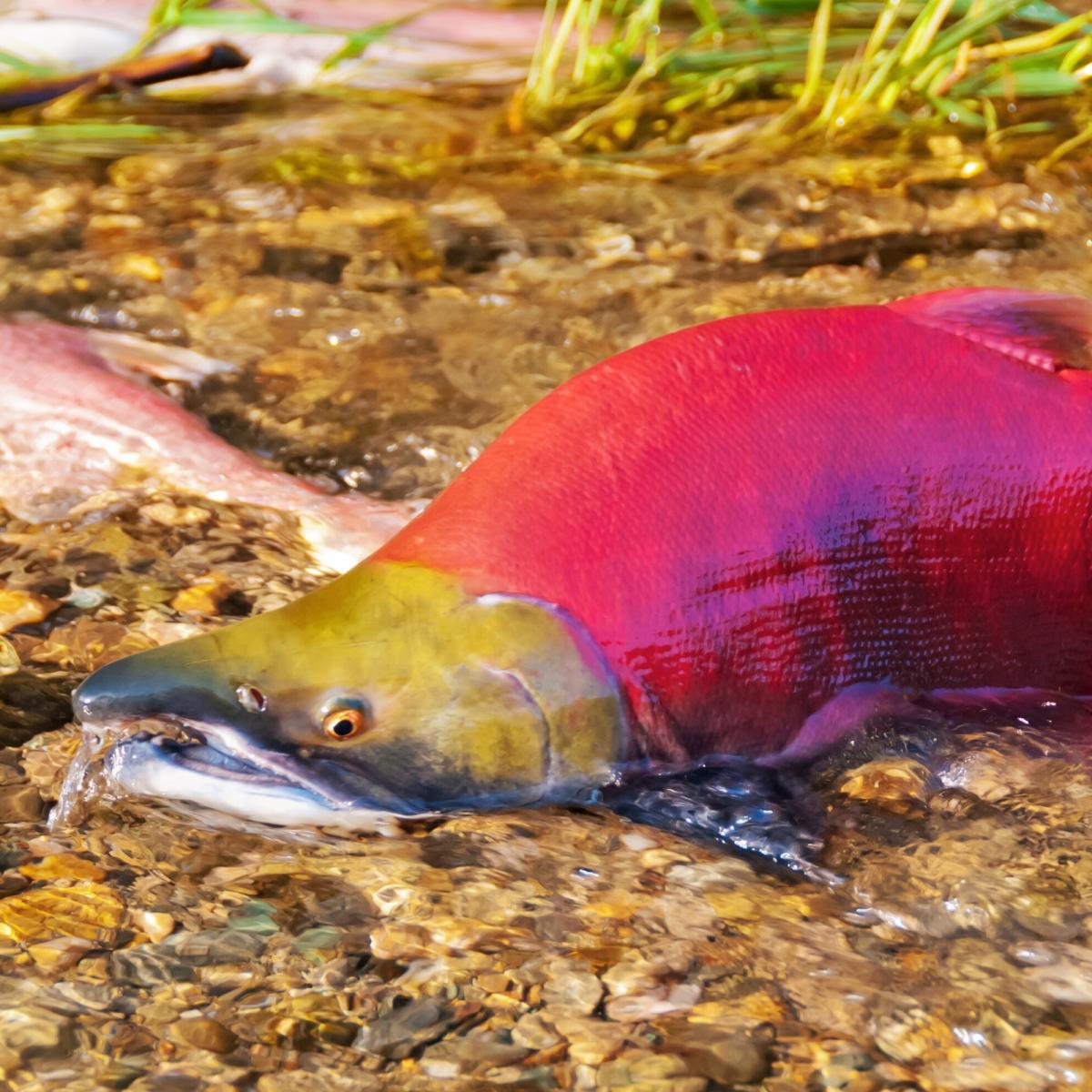
In her report, Avery analyzes the environmental legislative framework in Canada. Current laws are rooted in an extractivist mindset and treat ecosystems like the Estuary as isolated “resources” to be exploited, rather than recognizing them as interconnected living systems. Despite its rich biodiversity, British Columbia lacks standalone endangered species legislation, making it challenging to make regulatory decisions that protect species and habitats within the Estuary.
"It is evident that the Fraser River Estuary ecosystem is declining at an unprecedented rate. Its degradation carries with it significant implications for the number of species that rely upon the ecosystem for shelter, food, and protection – including foundation species such as Pacific salmon and endangered species like the Southern Resident killer whale."— Avery Pasternak, Sustainability Scholar
However, Avery’s report found there are growing calls for change. Canada’s legal landscape is being reshaped by the push for reconciliation and the government’s commitment to implementing the United Nations Declaration on the Rights of Indigenous Peoples (UNDRIP). These commitments are opening the door for new solutions that embrace legal pluralism.
The influence of a powerful global movement
One such solution is the Rights of Nature movement, which offers a new way to protect ecosystems by recognizing them as legal entities with their own rights—similar to how people or corporations have legal status. This approach doesn't replace existing conservation efforts but adds another tool to help safeguard nature. Around the world, countries like Colombia and Ecuador have used this model to protect local ecosystems, often through partnerships with Indigenous communities who have long acted as guardians of these places.
Pathways to legal personhood for the Estuary
The report concludes that granting legal personhood to the Estuary is possible, but it would require meaningful collaboration between Indigenous governments and local municipalities. It outlines two potential pathways: one involves the creation of local laws by Indigenous and municipal governments that formally recognize the estuary as a legal entity and rights-holder; the other envisions intergovernmental agreements among Indigenous governments, implemented through local laws, to define the estuary’s rights and the responsibilities owed to it.
To be effective, these laws must be clear and enforceable. This includes establishing indicators to measure the estuary’s health and creating mechanisms to uphold its rights and resolve conflicts when they arise. Most importantly, legal recognition must be paired with Indigenous-led governance —such as co-governance or guardianship models that blend Western science with traditional Indigenous knowledge to protect the estuary for future generations.
Amplifying the research’s impacts
Avery’s report didn’t just offer a legal pathway for protecting the Fraser River Estuary—it helped spark a broader conversation. Her work became a powerful regional case study within the growing global rights-of-nature movement. After being published on the Raincoast Conservation Foundation’s website, the report quickly gained attention, reaching wider audiences.
"The report has been shared widely and continues to inspire conversations. It’s a tool for ongoing advocacy." Kristen Walters, Raincoast Conservation Foundation, Biologist, Lower Fraser Salmon Conservation Program Coordinator
Media outlets such as The Province and Times Colonist covered the story, and the report was shared on social media, sparking a public dialogue about the future of environmental law in Canada. What began as an academic research project became a powerful contribution to legal and environmental discussions in Canada and beyond. By grounding global ideas in a local context, Avery’s report helped reframe how we think about legal protection for ecosystems and highlighted the urgent need for stronger tools to protect places like the Fraser River Estuary.
The project ‘Exploring Opportunities to Accord the Fraser River Estuary Legal Recognition’ was completed by Avery Pasternak, a 2022 participant in the Sustainability Scholars Program, managed by the UBC Sustainability Hub.
Learn more about the UBC Sustainability Scholars program.